The Comfort of Enemies
We are handed enemies like fast food. Hot. Cheap. Engineered to satisfy a craving that isn't really hunger. The enemy is not designed to be defeated. The enemy is designed to be maintained. A defeated enemy is a story that ends. A perpetual enemy is a subscription.
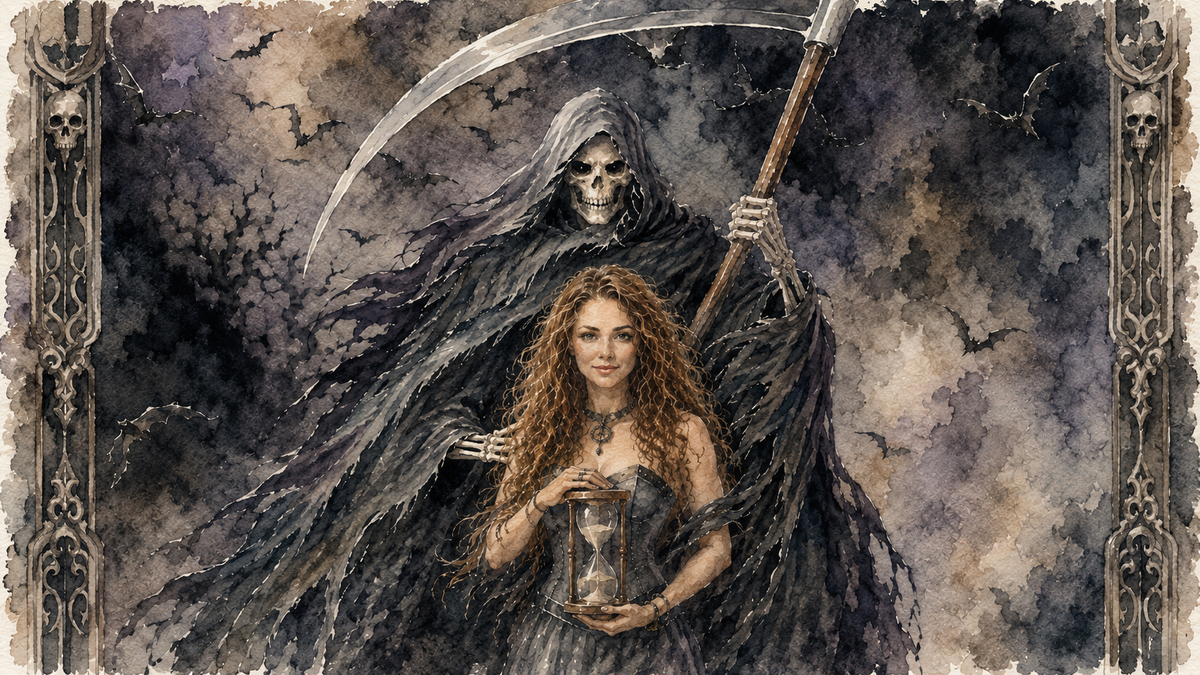
At some point I started paying attention to who I was being told to fear.
Not whether the fear was valid because some of it is, deeply and verifiably so. There are countries that bomb schools. There are governments that imprison people for their faith, that wage war on civilian populations. These are documented, ongoing, real. Evil at the geopolitical scale is not a conspiracy theory. It is history, and it is also the present tense in too many places.
What I am examining is who decides which evil I should be afraid of, and when — and what happens to my attention while I am busy being afraid of the designated thing.
Because the target moves. The urgent enemy of five years ago has been quietly retired, and a new one has taken its place with the same architecture of threat. The machinery is identical. Only the face changes.
I do not think this means none of the enemies are real. Some of them are real. But I have started to ask, as a practice, who benefits from my fear of this particular enemy at this particular moment. The answer is almost never the people being pointed at. It is almost always the people doing the pointing.
We are handed enemies like fast food. Hot. Cheap. Engineered to satisfy a craving that isn't really hunger. Gone in minutes. The enemy is not designed to be defeated. The enemy is designed to be maintained. A defeated enemy is a story that ends. A perpetual enemy is a subscription.
And underneath the fear, flags and the faiths and the countries we are told to hold as threats; are people. Ordinary, specific, mostly trying to keep their families alive and intact. I have met enough of them, across enough of the lines I was handed, to know that the gap between the template and the person is almost always wider than I expected.
The good is real. It is just quieter than the bad. It doesn't trend as well. A story about people across a border who found a way to help each other does not hold attention the way a bombing does. This is not because we are bad people. It is because we are wired for threat detection, and the machine learned to speak directly to that wiring, and we have been listening for so long that the frequency has started to feel like reality.
I am asking for the discipline to hold the real evil, which exists, and deserves to be named and opposed separately from the manufactured enemy, which exists to keep us afraid of the wrong ones.
The moment we stop believing the story, we have to deal with the actual world. Complex, mostly ordinary, shot through with both darkness and more good than gets reported. That is harder than the enemy. It does not come with the clean satisfaction of a villain.
But it is the world as it actually is. And I would rather live in that one.
XOXO,